|
Professional Coaching For Montessori Guides And School Directors
By a Coach who is AMS Montessori certified with both experience working as a Montessori Guide and Director Of School, and also as a Board-Certfied Professonal Coach
For those who want to develop and
expand their Montessori guide skills, both in working with children and adults involved in their working environments
Click HERE to request a Free information session regarding costs and policies at MultiStar Quantum Coaching Service.
The Montessori method, as Dr. Montessori intended it to be practiced, is a revolutionary alternative form of education that differs from
conventional education in many ways.
Some interesting things about the Montessori Philosophy and Curriculum
that are helpful for children and adults are noted below.
Interesting Videos and Links About Montessori
The Montessori Curriculum, as it was intended to be taught by Dr. Montessori, teaches respect and appreciation for all races, all cultures,
and All Life
with a goal of
educating tomorrow's leaders to create a more peaceful world, and gives children an international education by teaching them about world views other
than their own, and how to transform conflicts into opportunities for colloboration and innovation.
Dr. Montessori was one of the first female medical doctors in Italy and was nominated for the Nobel Peace Prize three times. She originally
worked as a psychiatrist in a psychiatric hospital. She later left the psychiatric hospital and chose to focus her
work on the education of the children.
Dr. Montessori was a psychologist who developed an elaborate theory of "Human Planes of Development" upon which her elaborate education system is based.
Her work is very much in alignment with that of Dr. Abraham Maslow and Dr. Howard Gardner. Her curriculum helps preserve a love for learning,
and develop confidence, coordination, independence, a sense of order, and resilience.
Dr. Montessori's classroom management techniques draw on concepts of
Social Psychology (collaboratively
leading by example, influence, relationship development, and conflict transformation, rather than traditional authoritarian methods), Group Dynamics
(using mixed age groups where younger children learn from older children and older children develop their leadership skills and learn how to transform
differences into opportunities),
and mindfulness techniques which are woven into many of the works and methods (described below).
Her curriculum is not just about formal education, but about giving children the support they need to
go through the natural process of growth and development so that they can be the best and the most successful people they can be and learn
to handle freedom with responsibility and to become responsible citizens and leaders of their communities and the world.

Peace
and "Grace and Courtesy" is an inherent part of the Montessori curriculum with an emphasis on respect
for all life and the environment, appreciation for
all cultures, and teaching that "Peace begins with me."
Having lived through two world wars, Dr. Montessori developed a
method with a goal of transforming society and being a catalyst for peace and cooperation among people on our planet and
teaching children to be peace-makers and peace-keepers within a Community of Learners in a "Children's
House," where they learn and grow together enjoying life and enjoying learning in communities that
are respectful, peaceful, and cooperative.

Some concepts that are central to the Montessori Method are respect; multiple age grouping; individualized
independent spontaneous learning; and transformation through concentration on freely-chosen work that is meaningful to them.
In the "Children's House" the children are taught to be respectful of each other and the environment and the teachers model that respect.
Dr. Montessori observed that the age from birth to six years old is the time of "the Absorbent Mind" where children learn by absorbing what is around
them and they learn without knowing they are learning.
Multiple age grouping is important to provide a more real-world experience for children and also provides the opportunity for younger children
to learn from older children, observe them, and gives the older children the opportunity to be leaders and mentors.
Individualized independent learning auto-education happens automatically as a result of the child s experience. -- Education is not
something the Montessori teachers do to children, but rather the Montessori teachers provide a catalyst by presenting a material or telling a
story that inspires "Spontaneous Education."
Through being given choices of what they want to learn children are drawn toward the skills
they need to develop.
Through repetition and through their work with their chosen activity, children will have the greatest learning
experiences involving individual learning activities with hands-on learning materials that they chose themselves, rather than teacher-directed
activities or lectures.
This discovery-learning approach inspires the children to explore and learn through doing.
The Transformational Power of Concentration and Meaningful Work -- ("Normalization")
Dr. Montessori found that young children are positively transformed through their experience of focused engagement on freely chosen work
that is meaningful to them
and purposeful activities. She called this process Normalization.
Providing opportunities for this kind of focused activity is
the cornerstone of Montessori philosophy.
As with Maslow's Self-Actualization, the children find pleasure in focusing on the present
moment, and when they do this, they gain more self-control and the
ability to make good choices, which creates a calm, inner peace. The same thing happens to adults as well when they do self-actualizing
things.
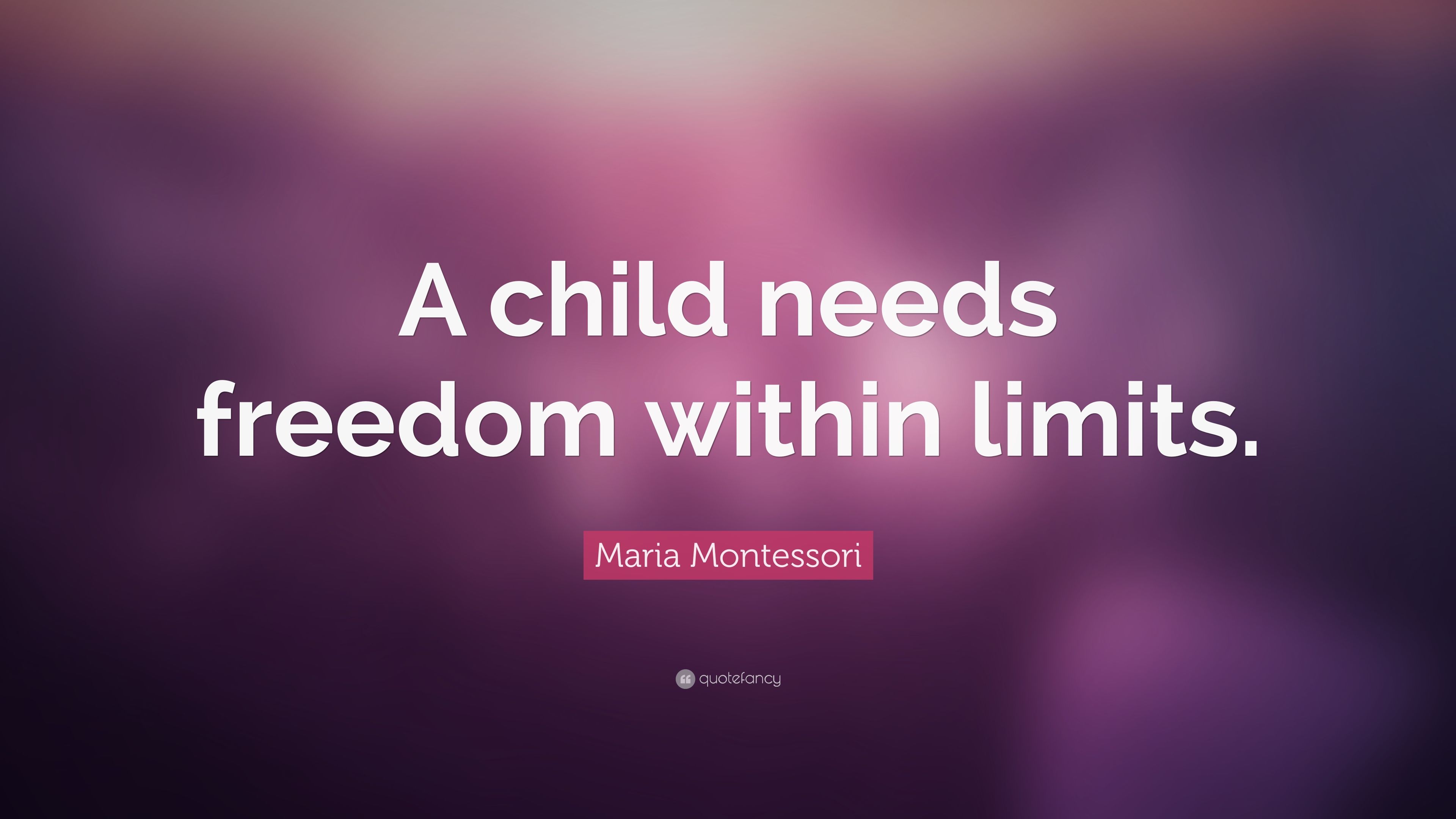
Freedom within Limits
The Montessori Method includes a balance of freedom and responsibility With every freedom comes responsibility. Some examples are
the responsibility of moving carefully with respect for others and
completing your work by putting it away so it is ready for the next person.
In the Montessori classroom the
Teacher is a guide, mentor, and "directress" who learns collaboratively with children. The teacher is the "guide by the side" working right
along with
children as a guide and a facilitator, rather than a traditional teacher.
The Montessori curriculum teaches academics in a way that is relevant and
inter-related.
In addition to academics, the Montessori Method teaches children that they are
loved and worthy just as they
are while also embracing continual learning and improvement, to find joy in their work, to learn to think for themselves,
and to have a sense of responsibility, and live high-quality lives.

Dr. Montessori did over 50 years of research around the world regarding child development and used this as a basis to develop the
Montessori Method.
She was very
much ahead of her time with recent research providing much
support for her work. (Lilard, 2005).
Some other inspiring things about the Montessori philosophy are that it cultivates emotional resilience through self-compassion, and
prepares children for Life by teaching them to be independent and to navigate ambiguous situations.
The Montessori
philosophy is also consistent with the values of remaining mindful of the choice to be happy, finding joy in the service of others, and cultivating
Peace by focusing on things that Unify rather than Divide.
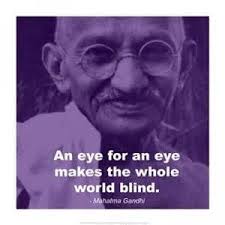
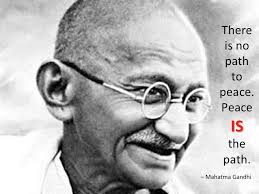
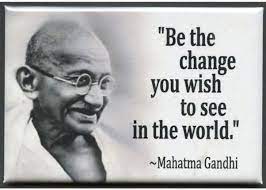
Dr. Montessori's connection to Mahatma Gandhi is also inspiring.
Dr. Montessori and Mahatma Gandhi were of great influence on each other.
He influenced her perspective on peace education, and he was
very interested in the Montessori system and he personally
taught the children in his Ashrams using a technique similar to the one she developed.
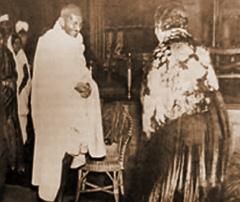
Dr. Montessori met Mahatma Gandhi in London
in October 1931, and on October 28, 1931.
In response to her invitation, Gandhi spoke at the Montessori Training College in London.
Here is a picture of Dr. Montessori and Mohatma Gandhi meeting in 1931:
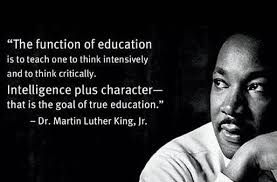
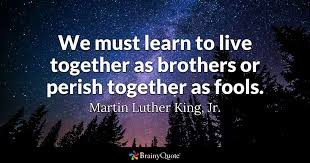
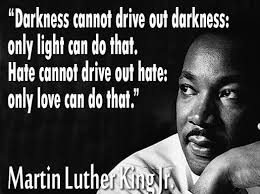
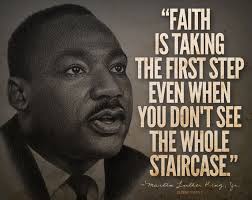
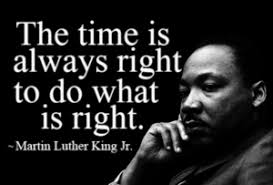
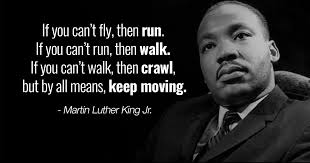
Peace is inherent in the Montessori Curriculum and is also consistent with the philosophy of Dr. Martin Luther King, Jr.
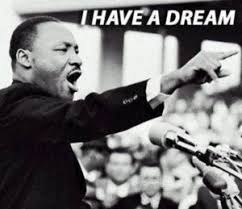
Martin Luther King, Jr.'s wonderful "I Have A Dream" Speech
Mindfulness
Although Dr. Montessori did not call it that at the time, Mindfulness training is inherent in the Montessori Method in several ways.
The
Spiritual Preparation of the Teacher applies in all Montessori teacher training, as Dr. Montessori specifies that the teacher
must root out all
anger, pride, and prejudice that may keep her from serving the best interest of the children with whom she works.
There is also a good amount of
what is known as "Mindfulness" today in Dr. Montessori's methods. The following works in the Montessori Primary class, which
includes children age three to six years old, promote
Mindfulness:
The Montessori Silence Game promotes Mindfulness training by
focusing on awareness, breath, and relaxation;
the Montessori Smelling Work focuses on the sense of smell mindfully isolating one scent at a time; the Montessori Red Rod Work focuses on mindfully carrying and
focusing on the rods with purposeful controlled graceful movement, etc.
"Moving Meditation" is built into the Primary class Montessori Walking-the-Line work and other
works that involve calm purposeful movement, such as the Red Rod, Brown Stair, Pink Tower, and Red and Blue Rod works, which are
part of the Montessori Sensorial Works.
Dr. Montessori called her Primary class Sensorial works a system of materialized abstraction with the purpose of educating the
senses.
Research has shown that this Sensorial work helps expand neural pathways and helps with brain organization which
is vitally important for the building of the brain and developing the mathematical mind.
When doing these works, the children analyze, compare and contrast,
and think at a higher level.
Dr. Montessori said that the education of the senses is vitally important to the development of the brain and brain organization and to the development
of the mathematical mind.
As the children in the Montessori Primary class work this system of materialized abstractions, through their concrete experience
they
become aware and develop an understanding of abstract ideas.
This work prepares them for later work in the classroom.
Some examples are the
motor
development developed with the pincer grasp, the wrist rotation developed for handwriting, auditory perception prepares the
child for reading, the materials themselves involve geometric and algebraic concepts and prepare the child for math work that will
come in the classroom.
Dr. Montessori said that the purposes of the Montessori Primary class Sensorial work area is to support brain development and organization, and that it develops
the intellect
and the mathematical mind; educates and refines the senses; aids the child in adaptation to society; encourages an
appreciation for beauty, and develops creativity; and provides a foundation for success in learning and life.
"Mindfulness" training
is also inherent in the Montessori Elementary Cosmic Curriculum in that it teaches how all things are interconnected and
involves experiential
grounding in interconnectedness. The Montessori Elementary classes are usually group into a class of children age 6 through 9 and 10 through 12.
Teaching Practical Life Skills
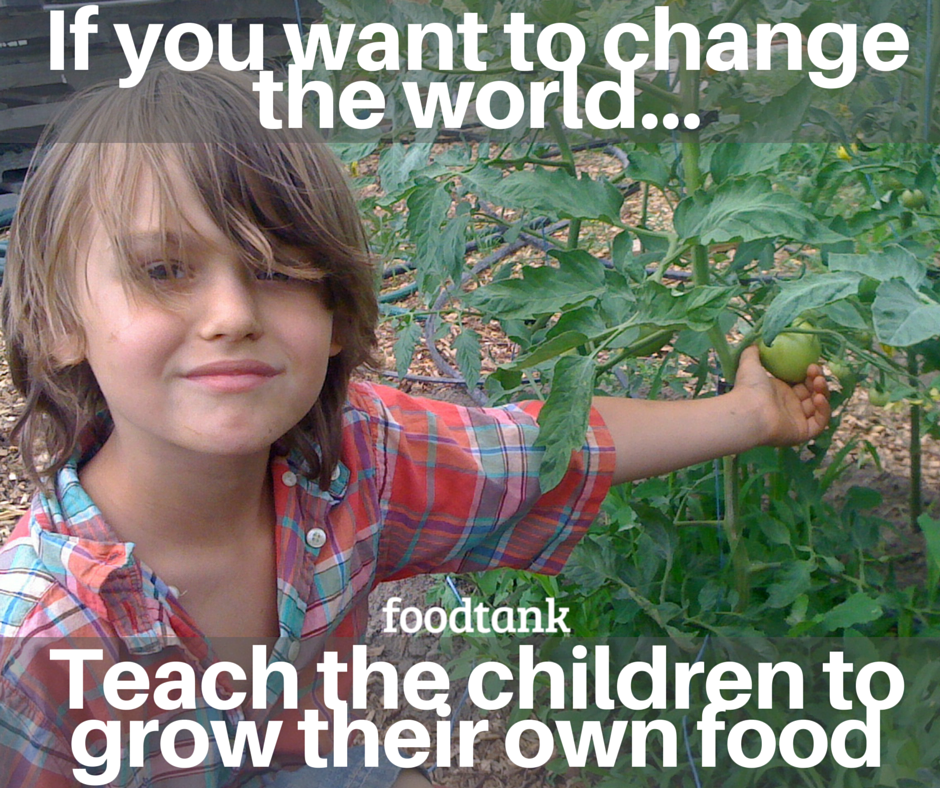
Teaching Practical Life skills in the Montessori pre-school classroom involves teaching the children to care for themselves
and their
environment independently, which instills confidence, competence, concentration, coordination, and calmness.
One of Dr. Montessori s early observations was that young children at 2 years old - 3 years old "are bundles of diffuse energy with highly
impulsive purposeless energy without grace or purposeful sense of movement, and that they are highly restless beings who are
not totally present. However, when they become deeply engaged in meaningful and interesting purposeful activity with a
sequence of very defined purposeful steps, such as the Montessori Practical Life works, you see a mindful
transformation."
Elaborating on this Dr. Montessori said "They become different than before, when for first time, or one of the few times in lives so far, they use
their wills to direct their neurological, emotional, and physical energies and control their energies to move with grace with
meaningful purpose to something they can tangibly see, such as cleaning a table, arranging some flowers, etc. This is deeply
satisfying to the children because on an intuitive level they know they would like to be able to do these rather than remain
bundles of unfocused energies."
Montessori Practical Life activities help children see they can control their energies to do something meaningful and
purposeful.
Practical Life activities help children draw together their energies to complete a meaningful task, which
is deeply satisfying to them, and this results in a sense of peace, self-confidence, and a sense of purpose.
Another outcome of Practical Life exercises is the development of children s Self-Actualization. Children may want to do
something but are not able to do it because their bodies won t follow the direction of their minds and wills, and we often see
children having temper tantrums because they can t do something They can t actualize their desires.
The discipline and experience of Montessori Practical Life works allow children to actualize their potential, and they can begin
to do things they want to explore, learn, and manipulate in the environment, and then they will no longer be incapacitated by
their own lack of neurological focus and muscular coordination.
These are actualizing exercises that bring together the desires of the mind with the ability of the instruments of the children s
hands and senses to stay on task and complete an activity. Another end result of Practical Life works is the development
of Confidence and Self-Esteem.
A feeling of Confidence comes from a history of doing things successfully. The act of
achieving mastery of mind and matter builds a history of successful endeavor on the part of the child and is very supportive
of the child s sense of self-worth and capability.
Cultivating Resilience
Also inherent in the Montessori Method is the cultivation of Resilience. "Resilience" is the ability to get up after falling down. It involves the ability to remain optimistic and see one's strengths.
So much suffering results from a lack of Resilience in both children and adults.
The Montessori Method cultivates Resilience by encouraging children to do things for themselves from the very beginning.
Teaching children to care for themselves and to do things for themselves and others gives them the confidence they need to recover from accidents
or disappointments.
For example, when children spill things, the Montessori Method involves teaching the children to clean it up themselves
and move on instead
of getting upset about it.
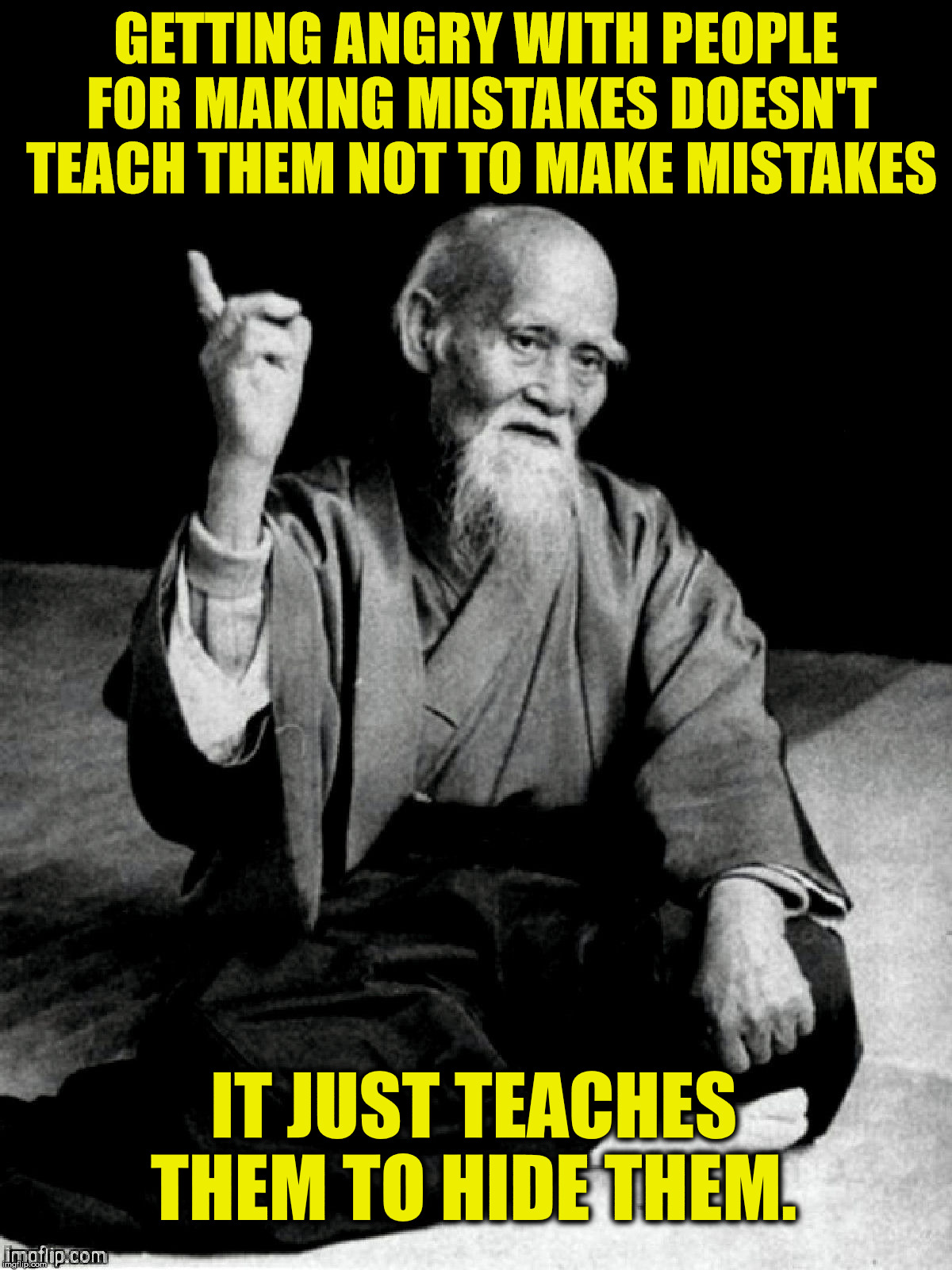
The Montessori Method involves helping the children learn to fix things instead of taking the problems away from
them.
Many of the Montessori works have built in Control of Error (which means the child can tell if he did it correctly or not)
helps children see
Error as a problem to be investigated instead of a personal flaw, and this independence builds resilience.
The Montessori environment that fosters independence is central to the Montessori Method and this helps children gain a
Resilience that will
help them the rest of their lives.
The Montessori Elementary Cosmic Curriculum
At the preschool level children use a lot of sensorial materials to learn in ways that are developmentally appropriate. As they get
older they move from the concrete to the abstract.
The Montessori
Elementary Cosmic Curriculum (for age 6 12 years old),
includes botany, zoology, physical science,
biology, history, geography, math, archaeology,
physics, chemistry, metaphysics, and astronomy, and these things are taught in ways that the children can see how they are all interconnected.
(Duffy, 2002, p. 154).
In Dr. Montessori's Cosmic Curriculum the Elementary children are introduced to things in ways that show how everything is interconnected,
and the curriculum accommodates the 6-year-old child undergoing
a passage from the sensorial, material level to the abstract (Montessori, 1973, p. 5), and how it is important to . . . give him a vision
of the whole Universe and that No matter what we touch, an atom, or a cell, we cannot explain it without knowledge of the wide Universe.
(Montessori, 1989, pp. 8 9).
Practical Life in Montessori Elementary is not limited to a shelf in the classroom, but is helping to develop within the child the skills to become a
contributing member of the world, and working together collaboratively to help the children serve themselves, their families, their classrooms,
and the greater community.
This is appropriate for this stage of development where they are honing their organizational skills. This
curriculum is not just academic, but also prepares the children for something more and raising their awareness of the greater community and the world,
spiritual growth, and a sense of gratitude for what they have.
Dr. Montessori's "Cosmic Task"
Dr. Montessori believed that everything in the universe has a "Cosmic Task," and the way she taught this and many other things was through the
telling of stories. She describes the cosmic task of coral by describing how the oceans were the recipient of tons of minerals dissolved by
water and washed into the seas.
As calcium carbonates and other minerals threatened to poison the life forms there, the corals captured certain minerals and transformed them into
pieces of themselves and into chains of mountains under the sea. Just as the water has the cosmic task of dissolving the minerals and carrying
them
into the oceans, the corals have the job of transforming those minerals into beautiful reefs.
(Duffy, 2002, p. 5-6.) (Montessori, 1948, p. 20).

Dr. Montessori believed that the Cosmic Task of humans is to respect all life, preserve and improve our world, and fulfill our
higher evolutionary potential of creating a cooperative peaceful world.

This is in alignment with Einstein, who wrote in a letter in 1954:
"A human being is a part of the whole, called by us 'Universe,' a part limited in time and space. He experiences himself, his thoughts and
feeling as something separated from the rest, a kind of optical delusion of his consciousness. This delusion is a kind of prison for us,
restricting us to our personal desires and to affection for a few persons nearest to us. Our task
must be to free ourselves from this prison by widening our circle of compassion to embrace all living creatures and the whole of
nature in its beauty. Calaprice, A. (2005).
One of the things that may be done within the Elementary Cosmic Curriculum is facilitating thought about existing as a being in the
universe and our place in it, having conversations about Peace and Sustainability, and asking ourselves the question, "Rather than waiting for a better
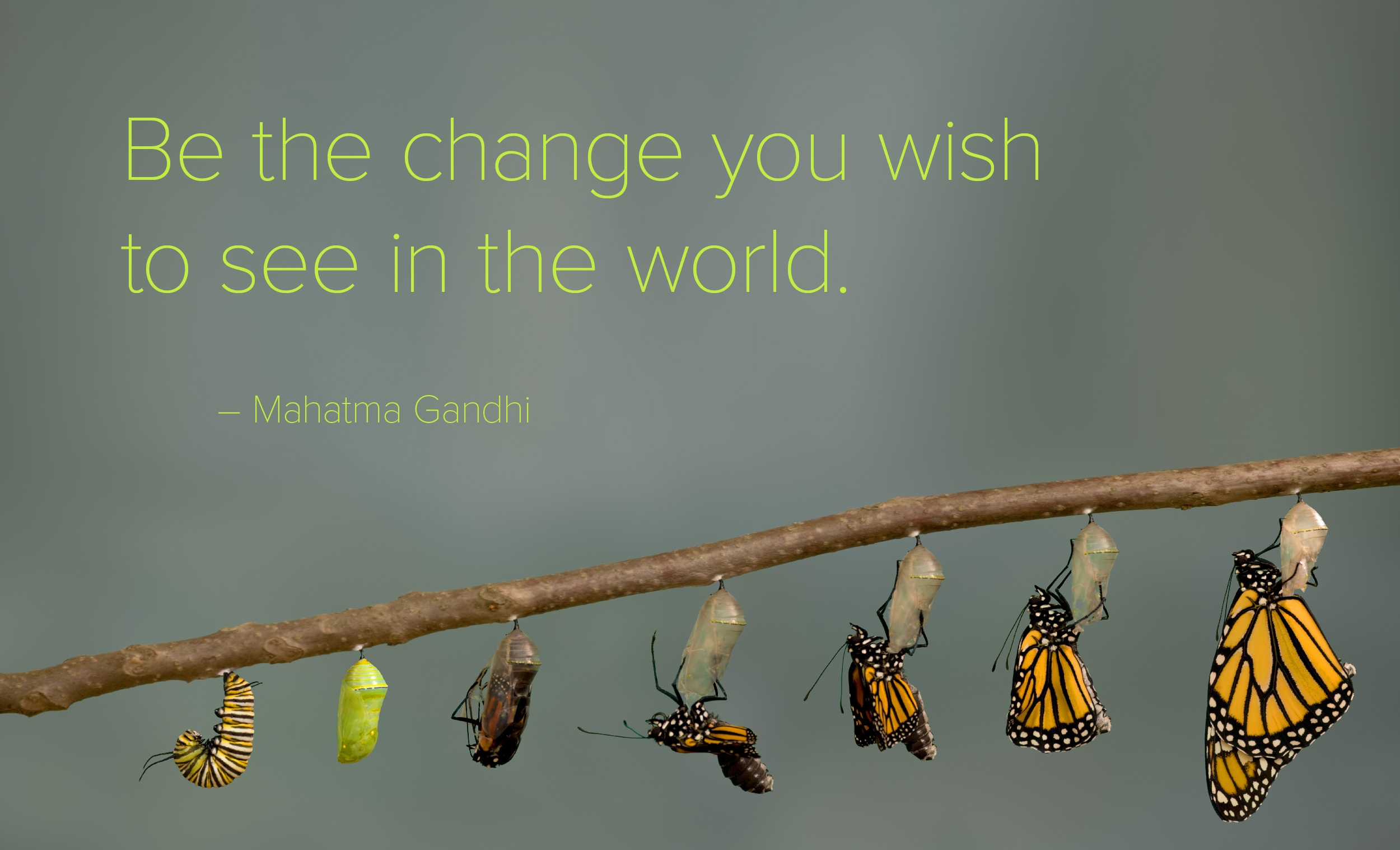
world, how can we create the better world we want to see?"
Dr. Montessori believed it is our
task to influence children positively, so that as adults, they would be likely to make decisions for the benefit of all of Humanity.
(Montessori, 1948, p. 28).
The Montessori Elementary Cosmic Curriculum is taught in large part by the telling of the Great Lessons, which are presented in story form, and,
although these stories
may be primarily for one group of students at a time, other students often choose to join, understanding it more in depth each time they hear it,
as
they may be hearing the same story each year they are in the class for three years (Elementary classes are for children age 6 through 12).
(Duffy, 2002, p. 169).
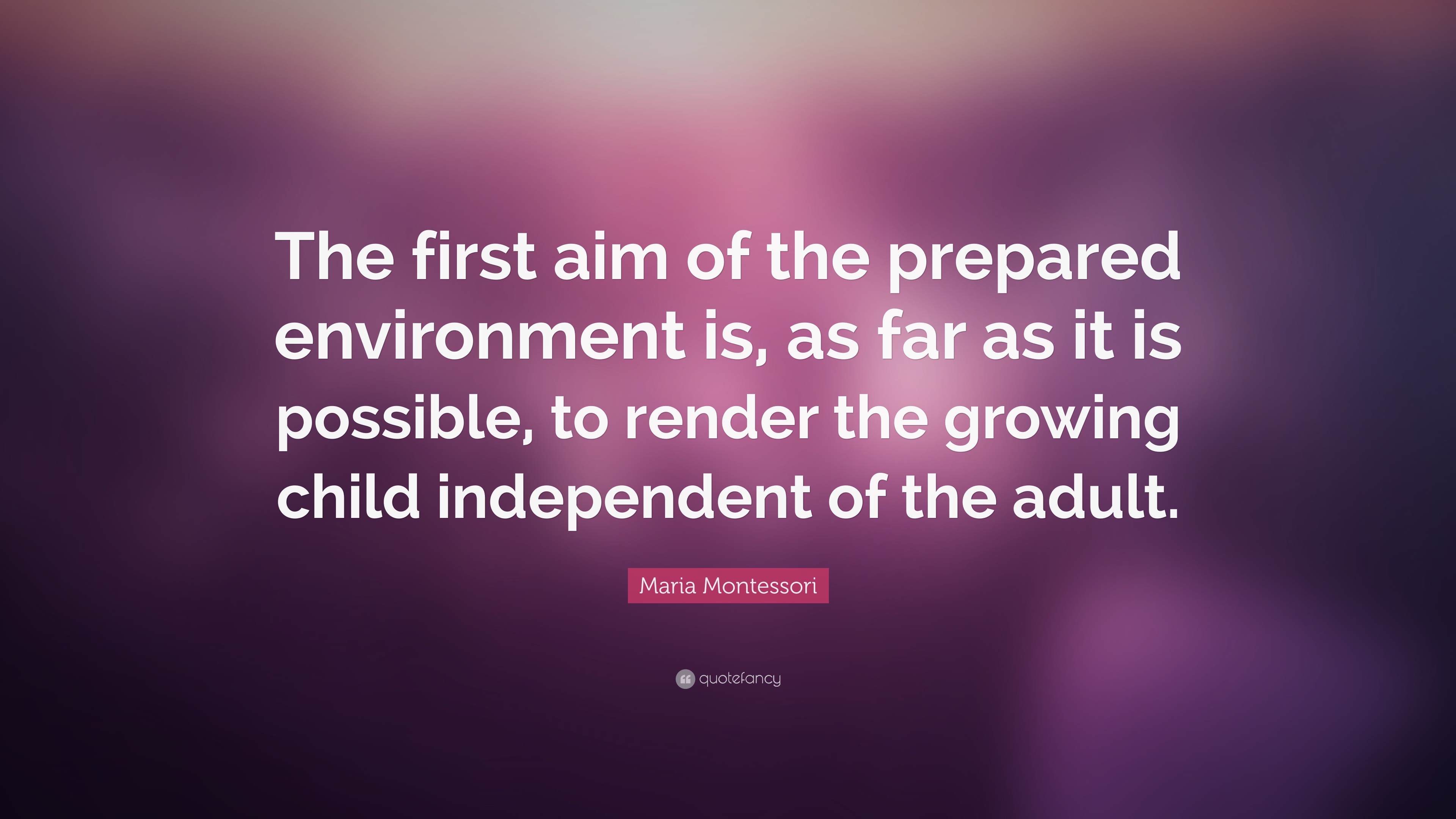
The hallmark of a successful Montessori teacher is when the class behaves the same when she is not there as when she is, because she has
set things up for such success by setting up a system that guides the children toward self-direction and internal discipline, and that
keeps their love of learning alive.
The Montessori Elementary Cosmic Curriculum
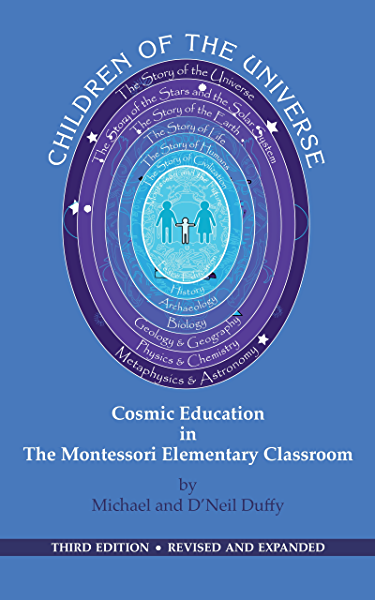
Cosmic Education in the Montessori Elementary Classroom as described in the book, Children Of the Universe: Cosmic Education in The Montessori Elementary
Classroom by Michael and D'Neil Duffy.
Dr. Montessori's Cosmic Education is the foundation of the Montessori Elementary curriculum wherein the children are guided to ask the question, "Who am I?"
and see their identity and role as members of our human species and as individuals. This education is described as the pathway to establishing peace in our world, which, after living through two World Wars, was a high priority for Dr. Montessori.
Within the question of "Who am I?" there are two inherent questions:
1) Where do I come from? And
2) Where am I going?
The first is explored through guided study of human past, and the second is explored through guided discovery of their cosmic task.
Dr. Montessori was a psychologist with an extensive detailed Human Development theory, around which her education system is based.
Elementary Children can explore such philosophical questions because children of this age are now in the stage of entering into society where they
are using their imaginations and expanding their awareness to the world and are sensitive to the acquisition of culture.
At this age they have a need for wider boundaries, which is expressed by a need to go out and explore the outside world, to interact more socially with one another, and to do group work. This need is met in the Montessori Elementary Education by taking the children out into the world on field trips, excursions, and guided experiences that broaden their horizons.
Children at this Elementary age are transitioning from the sensorial/material state of learning to abstract understanding, where their "What" questions
become "Why" questions. Children at this age use their power of imagination, explore intellectual and moral aspects of life, and develop a conscience,
the ability to distinguish right from wrong, a sense of fairness, and the ability to recognize the needs of others.
Neither children nor adults may be able to fully answer the question of "Who am I?" but we begin the process of guiding this exploration at this age because children at this age are at a sensitive period where they can lay a foundation of impressions that they can build on throughout their lives that will help prepare them for the future.
The Montessori Elementary Curriculum is an integrated curriculum of history, geography, biology, and physical science, with language and mathematics
being the tools through which cultures are explored. This involves understanding over memorization, process over product, and problem solving over
always obtaining correct answers. Concrete materials are used to lead the children to abstract understanding.
The core of the cultural curriculum is the Five Great Lessons: 1) The story of the Universe, 2) The Story of Life, 3) The Story of Humans,
4) The Story of Language, and 5) The Story of Numbers. These are impressionistic lessons meant to inspire the children to explore and study further.
The Five Great Lessons are taught through several stories, which provide a context for the children's studies, a framework in which to place other pieces
of information. The curriculum starts with the biggest picture; the Universe. The stories stimulate the students' emotional connection to
material, making their learning more effective and meaningful. The context and study of history also helps us understand who we are, how we got here,
and what our cosmic purpose is.
In the Montessori curriculum the role of the teacher is not to convey information, but to guide and direct the studies of the students by stimulating
interests. This is why Montessori teachers are called "Guides." As Guides, they provide the introduction to study, by telling the one of
The Great Stories, giving the big picture, the main outlines, and how to use the materials.
In the Montessori curriculum the Guide avoids becoming the dispenser of information, to prevent the students from becoming passive learners who memorize and
regurgitate, and to prevent their studies from being limited by the Guide's knowledge.
The Montessori Elementary Curriculum teaches that we can only understand our cosmic task if we first explore how we got here and provides extensive study of
our past, beginning with the Universe. In the traditional curriculum social studies starts with the self, then the family, the community, the state,
the nation, and then the world. This promotes a self-aware perspective as well as a narrow global view and small context in which to place knowledge.
In the Cosmic Curriculum, nation barriers are broken for a broader view and study of humanity.
Just as with other elements of the Montessori philosophy, the whole is used to better understand the parts.
In The Story of the Universe all elements of the curriculum fit into the all-encompassing circle of the Universe. From this story the children are
introduced to studies in chemistry, physics, astronomy, biology, and geology. The basic principle of this story is that everything on Earth and in
the Universe obeys laws of nature. The curriculum combines the accuracy of modern science wit the feel of an ancient creation story, to meet the child's desire to use their imagination.
The Story of the Solar System helps bridge the story of the Universe to The Story of Life where children hear the story of our descendance from the
life cycle of stars where children can develop a better understanding and appreciation of our own planet and how unique humans are.
The Story of the Earth explains how we are not just children of the Universe, but of the Earth as well, and provides a sequence of the Earth's formation
and how it changed over billions of years to provide us with an environment in which life could be supported.
The story introduces children to the appearance and spread of the diversity of life and providing perspective in of late humans arrived.
The curriculum also guides the children in discovering that each organism has or had a cosmic purpose that everything works to fulfill the Purpose of
Life (including them).
The Story of Humans is the study of the beginning of humans that is meant to give the children a sense of appreciation of all that we have inherited
from our ancestors where the similarities and differences between humans and other animals are highlighted and the importance of the hand and our species'
mental ability abilities are explored without boasting or arrogance.
The Story of Civilizations focuses not on rulers and wars, but on the development of ideas and the pioneering discoveries that allowed humans to progress,
where the focus is on the daily lives of common people, and on the discovery and adaptability in the face of challenges. In showing the commonalities and
patters of humanity through time and place, we bring a deeper understanding of the contributions of the past and their impacts on our present.
The Lower Elementary curriculum contains the study of nourishment, clothing, shelter, defense, transportation, art, religion, self-adornment, leading to an
understanding of the basic unity of all humanity. The traditional nationalistic view of the world is avoided because the child's nation is the world with each nation being an expression of all humanity.
The purpose of Cosmic Education is to show the relatedness of all life through common ancestry; that life, in all its amazing and varied forms, is just a
variation on a theme; and to teach children to respect rather than exploit life of others and themselves.
Montessori Cosmic Education intends to raise the consciousness of children to an awareness of the fundamental unity of all humans, all life, and all parts of
the Universe; is child-centered education that intends to transform and better our world, with the understanding that Peace begins with
the internal development of our children; and unites all peoples to one spirit and teaching children that we have the responsibility of improving our future.
Here are some concepts about the Montessori Elementary Cosmic Curriculum as described by Tim Seldin, founder of the International,
Montessori Council, in his
article in "Adolescence Without Tears" in Today's Child magazine, vol. 6 no. 2, about Montessori Secondary School
(which is for children age 13 through 18):
In traditional secondary
schools, teachers tend to see
helping students absorb the
curriculum as their fundamental
goal. In Montessori, we
seek a balance between academics
and emotional, social,
and spiritual growth, which
leads students to a place
where they are honestly ready
to learn something.
The secondary Montessori
educator must recognize the
crucial role played by this
process of social and emotional
growth. Group process and
lessons in everyday living skills
are not supplemental activities
to enrich the real curriculum;
they are to a very real degree
the most important element
of the curriculum.
Secondary Montessori teachers
should not be thought of as specialists
in one area of the curriculum, as you
find in traditional high schools. Instead
of teaching science, math, or history,
they integrate the course of study into
thematic units.
Learning in a
Montessori program rarely involves passively
sitting back and listening to a
teacher talk. Students learn through
participating in seminars, meeting with
guest speakers, individual research, dramatic
re-creation experiences, handson
projects, building models and dioramas,
field trips, and internships. This
kind of learning asks students to get involved,
and questions, and think!
Above all, it is rarely boring.
Montessori Secondary programs strive to maintain
a balance of structure and flexibility.
Teacher initiated group lessons are usually
brief; rarely lasting more than 30
minutes. They are intended to get students
interested and give them just
enough information to get them started
on independent study, projects, or discussion.
Seminars and specialist classes are
scheduled in such a way as to allow students
large blocks of time to work without
interruption. Scheduling for these
group activities is flexible and allows the
teachers to set aside the amount of time
most appropriate for given activities.
The climate within a Montessori Secondary program is an atmosphere of warmth and respect with a strong
sense of community in which students
and teachers work together
very closely, where each students feel that
belong to and are accepted
and appreciated by the entire community
of students and teachers.
Study Guides
Montessori Secondary programs give students Study Guides to
help them organize their work. Ideally these guides are not prepared
by the teachers alone, but by the teachers and students working together
to set goals and suggest a learning path defined in accordance with the
student s individual learning style.
Study Guides typically break the week s work into three elements:
Skills and knowledge that the student will hopefully absorb
Experiences in which the student is invited to engage, such as attending
seminars or talks, books to be read, movies viewed, field trips taken, presentations
given, lab experiments completed, tests taken, etc,
and Essays, reports, and other assignments or projects which are to be turned
in.
Many programs expect students to demonstrate a given level of mastery before
they are allowed to move on to the next level. Unacceptable work or performance
on tests of skills and knowledge must be resubmitted after additional
lessons or coaching.
It is common for Montessori Secondary programs to allow students to select
from among several optional learning strategies and assignments or to propose
another option.
Using this approach, Montessori Secondary students continue to learn how
to pace themselves and take responsibility for their work skills that are critical
for success in college.
The World is Their Classroom . . .
Montessori Secondary programs
will normally go out into the
community to give their students
a wide-range of projects and experiences
that would never be possible
in a traditional schedule. Some
schools go out as opportunities arise;
others schedule one day a week for
academic extensions, breaking off
into small groups to visit museums,
galleries, the theater, university libraries,
the courts, governments offices,
and scientific laboratories.
Students also use Extension Days to
work on special projects or to study issues
in-depth. They contact and visit
government agencies, public interest
groups, and relevant industries, pour
through the public record, or interview
key public figures. Gradually, they
try to pull information together and
attempt to interpret the big picture.
Students form their own opinions and
defend them in class, often with very
spirited debates!
Secondary Montessori programs
commonly arrange for their
students to participate in community
service and internship experiences. At
certain points of the year, students will
engage in internships in the business,
professional, or public interest communities.
Students develop their own resumes
and are expected to find their
own internship position.
They can be found interning in government
offices; working for Greenpeace;
studying at the zoo; assisting in
doctors offices, architectural firms, veterinary
clinics, radio stations, newspapers,
hospitals, retail businesses; or volunteering
in shelters for the homeless.
Many internships develop into longterm
relationships as students prove
their worth.
Students begin to think about their
career interests, and as they discover
their ability to make a difference in the
world, they become more self-confident
and independent.
One of the
unique programs in a
Montessori high school is the opportunity
for a wide range of international
study and travel. Montessori education
is worldwide, and each programs has sister
schools across America and in
Europe, Asia, and South America.
There
are invaluable opportunities for correspondence
and student exchange experiences.
Using Barrie again as an example,
students have engaged in travel/
study programs in Israel, Canada,
France, Spain, Italy, Greece, Mexico,
Costa Rico, Russia, the Caribbean, Japan,
and China. With a strong orientation
toward ecological studies, Montessori
high schools also sponsor camping, canoeing,
and sailing expeditions every
year.
The Basic Elements of a Secondary Montessori Program per Tim Seldin, founder of the International Montessori Council:
■ It teaches students to think for themselves and develop logical reasoning, research skills, and higher-order "formal" thinking skills rather than having students memorize predigested concepts, theories, and information presented in lectures and textbooks.
■ The curriculum offers a broad view of the world, emphasizing ecological interdependency, the historical development and inter-connectedness of ideas and events, and an international/transcultural perspective.
■ The curriculum is developmentally based and appropriate to mee the intellectual social, emotional, and physical needs of adolescents. The course of study goes beyond the traditional college preparatory curriculum, teaching students how to think clearly, do their own research, express themselves in writing and speech, and apply their knowledge. The course of study is an "integrated thematic approach" that ties separate disciplines of the curriculum into studies of the physical universe, the world of nature, and the human experience.
■ This integrated approach is one of Montessori's great strengths. As an example, when students study the culture and history of the ancient Greeks in Humanities, they also study mythology and read Homer and the great Greek Tragedies. As they read Shakespeare, secondary students study the Elizabethan period and attend performances of Shakespeare.
■ Montessori secondary programs do not emphasize academic competition among students. The program evaluates students on a logical, objective basis. Students are not graded on a curve but rather are evaluated individually against clearly stated academic objectives through a wide variety of authentic assessment techniques, including portfolios, long-term projects, and self-evaluation.
■ Montessori at the secondary level encourages students to value the process of learning, especially the ability to learn from their mistakes.
■ The faculty is flexible in teaching styles, which allows the modification of assignments and testing strategies to meet individual student's learning styles and special interest.
■ The curriculum allows students to learn through experience and practical "hands-on" application.
■ The faculty consciously strives to help students develop self-esteem, independence, responsibility, compassion, openness to new experience and learning, patience and self-discipline, acceptance of others, and effective and satisfying social relationships.
■ There should be a sense of community among the faculty and students, allowing many opportunities for student participation in the planning and operation of the life of the school community.
■ Students are introduced to social issues of the community in which they live, both through the curriculum and through field experiences, volunteer efforts, and internship projects.
■ The program facilitate each student's transition into adulthood by supporting the development of effective and responsible interpersonal and social skills, particularly in the areas of the relationship between the student and the family, relationships with peers, relationships with the opposite sex, and the development of a capacity for financial independence.
■ The school should be a community of young people and adults based on kindness, trust and mutual respect.
■ The school should be a social laboratory in which young adults learn the skills of living in the adult world within a safe environment.
■ Ideally, the teachers should be renaissance men and women who serve as mentors and facilitate the process as their students learn how to observe, listen, read critically, gather information, and learn from hands-on experience.
■ The school should consciously promote students' personal spiritual and ethical development and encourage service to the community. The curriculum should offer an intellectual program which is designed to allow students to blossom without boredom, allowing children with exceptional talents to grow without having to leave the prepared social environment of the school to enter college at a premature age. (It would also do by tapping into the broader local and national community to arrange tutorials, mentorships, and individual studies with enough challenge and structure to fit each child's personality.)
■ And finally, the school should ideally be located in a physical setting that inspires contemplation and spiritual harmony such as one finds in the mountains, redwood forests, desert, some
gardens, and beside the sea. (Most often land, rather than elaborate buildings, creates the desired effect. The buildings can be simple if
the campus makes its people smile each time they walk outside.)

Dr. Montessori's
"Spiritual Preparation Of The Teacher"
"A teacher must prepare himself interiorly by systematically studying himself so that he can tear out his most deeply rooted defects, those in fact
which impede his relation with children . A good teacher does not have to be entirely free from faults and weaknesses
but they should know what they are." Montessori, M. (1936).
Education should no longer be mostly imparting of knowledge, but must take a new path, seeking the release of human potentialities.
Montessori, M. (1948).
Maria Montessori looked at child development as a holistic process in that her education system did not mean just the traditional transfer of some
set skills and or knowledge, but instead she required teachers to educate themselves and to look at the child s potential and interests and build
upon them.
The Montessori philosophy promotes self-examination in pursuit of self-awareness, a love of life-long learning, and a curiosity and a deep
respect for the world we live in.
Montessori for Adults
The AMS Montessori Administrator program provides training in Collaborative Leadership with adults.
References
Calaprice, A. (2005) The New Quotable Einstein. Princeton, NJ: Princeton University Press.
Duffy, M. & Duffy, D. (2002). Children Of The Universe: Cosmic Education In The Montessori
Classroom. Santa Rosa, CA: Parent-Child Press.
Lillard, A.S. (2005). Montessori: The Science Behind The Genius New York, NY: Oxford University Press
Montessori, M. (1936/1989). The Secret Of Childhood. Oxford: Clio Press.
Montessori, M. (1946/1989). Education For A New World. Oxford: Clio Press.
Montessori, M. (1948). To Educate The Human Potential. Madras, India: Kalakshetra Publications.
Seldin, Tim (1998). "Adolescence Without Tears" in Today's Child Magazine, vol. 6 no. 2.
Recommended Reading:
Wolf, A. (2017). Montessori For A Better World Santa Rosa, CA: Parent Child Press, Kindle Edition
Wolf, A. (2017). Nurturing the Spirit In Non-Sectarian Classrooms Seems to be out of print. Hope will be on Kindle soon
Montessori Series Books produced by the Montessori-Pierson Publishing Company: Amsterdam, the Netherlands (many are available on Kindle):
1. The Absorbent Mind (Montessori Series Book vol. 1)
2. The Discovery Of the Child (Montessori Series Book vol. 2)
3. The Formation of Man (Montessori Series Book vol. 3)
4. What You Should Know About Your Child (Montessori Series Book vol. 4)
5. Education For A New World (Montessori Series Book vol. 5)
6. To Educate the Human Potential (Montessori Series Book vol. 6)
7. The Child, Society and the World: A selection of Speeches and Writings (Montessori Series Book vol. 7)
8. The Child in the Family (Montessori Series Book vol. 7)
9. The Advanced Montessori Methods (Montessori Series Book vol. 9)
10. Education and Peace (Montessori Series Book vol. 10)
11. Education For Human Development (Montessori Series Book vol. 11)
12. From Childhood to Adolescence (Montessori Series Book vol. 12)
13. The Advanced Montessori Method (Montessori Series Book vol. 13)
14. Citizen of the World: Key Montessori Readings (The Montessori Series Book vol. 14)
15. The 1915 California Lectures Collected Speeches And Writings (The Montessori Series Book vol. 14)
16. Psychogeometry (The Montessori Series Book vol. 16)
17. The 1946 London Lectures (The Montessori Series Book vol. 17)
18. The 1913 Rome Lectures (The Montessori Series Book vol. 18)
19. The Mass Explained to Children (The Montessori Series Book vol. 19)
20. Psychoarithmetic (The Montessori Series Book vol. 20)
21. Maria Montessori Speaks To Parents: A Selection of Articles (From the original
Archives by M. Montessori (The Montessori Series Book vol. 21)
22. The Secret of Childhood (Montessori Series Book vol. 22)
23. The Montessori Approach to Music (Montessori Series vol. 23)
Interesting Videos and Links About Montessori:
Montessori Madness - Interesting video made by a Montessori parent
Video of one of the Montessori Great Stories:
The Great Story Of The Universe by Cindi Perreault at Harborlight Montessori
50 Ways To Keep The Montessori Spirit Alive In Your Classroom
The Montessori Muse: A blog dedicated to quality Montessori education, for both current teachers, as well as those who dream of changing the world with Montessori
Montessori History, Theory, and Philosophy
Montessori Theory of Child Development Through The Absorbent Mind
Montessori Theory of Mental and Intellectual Development Through the Absorbent Mind, Part I
Marshmallow Test For Executive Function
Montessori Theory of Mental and Intellectual Development Through the Absorbent Mind, Part II
Montessori Theory of Social Emotional Development Through the Absorbent Mind, Part II
Interesting Books and Notes About Collaborative Leadership
|